Landing three hours before your room is ready is the most common travel awkwardness nobody warns you about. The short answer for how to store luggage before check in is simple: go to your accommodation and ask the front desk to hold your bags, which most hotels and hostels do free of charge, then ask about early check-in. If that is not possible, fall back on a staffed luggage-holding counter at the airport or train station, a self-service locker, an airline bag drop at the airport, or a paid storage app that books a nearby shop or hotel to hold them.
It sounds obvious, but most people land, walk out of arrivals with two suitcases and a kid, and then stand in a lobby trying to work out what happens next. You need a plan before you land, not at the arrivals door.
This guide walks through what to prepare before you fly, the step-by-step process on the day, the real cost of each option, and the mistakes that leave travelers stuck with bags they cannot move.
Table of Contents
- What You Need Before Storing Luggage Before Check In
- Step-by-Step: How to Store Luggage Before Check In
- Step 1: Check Your Airline and Airport Rules
- Step 2: Separate Anything You Need to Keep With You
- Step 3: Choose the Best Storage Option
- Step 4: How to Store Luggage Before Check In: Secure and Label the Bags
- Step 5: Allow Enough Time to Check In
- Step 6: Retrieve the Luggage and Continue to Check In
- Why Hotels Say Yes and Vacation Rentals Often Say No
- Common Mistakes That Cost Travelers Their Morning
- Frequently Asked Questions
- Will hotels let you leave your luggage before check-in?
- Will a hotel hold my luggage if I am not staying there?
- How long can you store luggage at a hotel before check-in?
- Is left luggage storage safe?
- What size bag fits in a train station locker?
- How much should I tip a bellhop for holding luggage?
What You Need Before Storing Luggage Before Check In
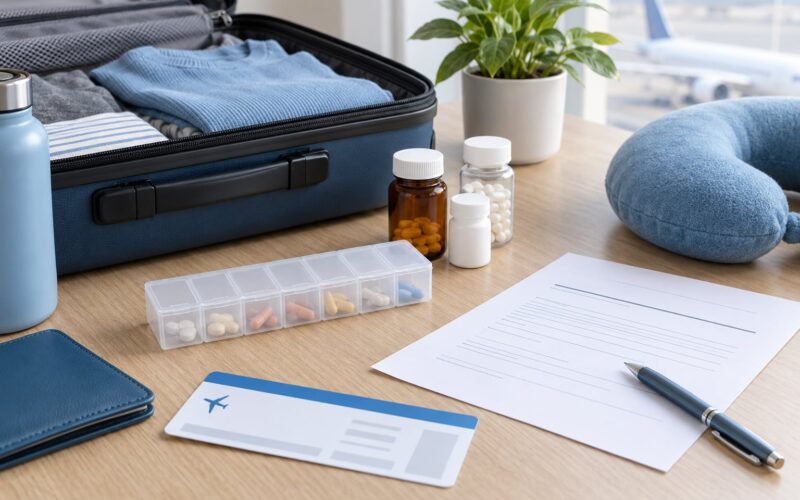
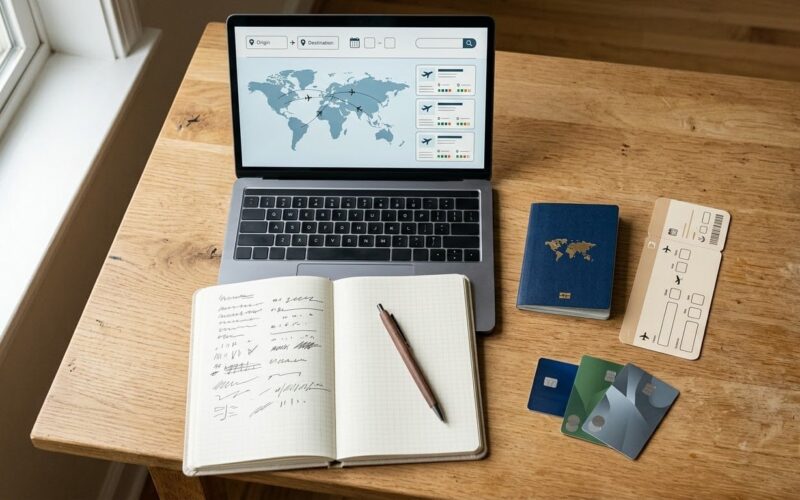
The gap between landing and check-in is usually anywhere from one to eight hours, and the plan only works if you know how long it is. Gather these six things before you leave home and the whole process takes about five minutes at the desk.
- Your boarding pass and flight details, so staff can see you are an arriving guest rather than someone wandering in.
- Photo ID and the address of your accommodation. A hotel that is not expecting you may ask for both.
- A small valuables pouch that stays with you: passport, wallet, cards, phone, charger, keys, medication, travel documents.
- Your luggage tag number and a rough count of what you have, especially with a family where bags get separated.
- The realistic gap length, measured from wheels-down to check-in time, not from your scheduled arrival time.
- The property’s phone number, so you can call ahead and ask about early check-in and bag storage while you are still in the air.
One thing worth doing the night before: message the property. A short note saying you land at 09:00, the room is booked from 14:00, and you would appreciate bags being held and early check-in if the room happens to be free tends to get answered by housekeeping before you land.
Step-by-Step: How to Store Luggage Before Check In
Step 1: Check Your Airline and Airport Rules
Before anything else, find out your airport’s baggage-drop cutoff, which terminal you are flying out of, and whether that terminal has any staffed luggage-holding facility in the arrivals hall. Most large airports publish these on their website, and the desk hours are often shorter than the terminal hours, which is exactly where people get caught.
Check whether the airport requires a boarding pass or proof of onward travel to store a bag, and whether there is a size limit. A hold counter will happily refuse a 28-inch checked case. If your flight is later the same day, also check your airline’s bag-drop hours. Many airlines open desks three to four hours before departure and will happily take a bag that far ahead of your flight.
Step 2: Separate Anything You Need to Keep With You
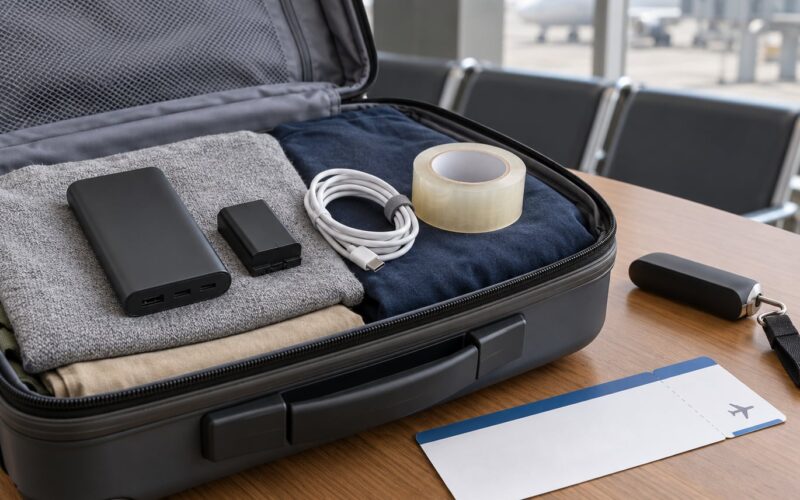
Everything in your valuables pouch stays with you. That includes your passport and any travel documents, medication, chargers, a change of underwear, valuables, and anything perishable such as food or a medical item that needs temperature control.
The liquids rule matters here: any liquid over 100 millilitres belongs in your cabin bag, not in a stored suitcase. Once your bag goes into a hold facility you may not get it back until hours later, and a leaky water bottle or a broken sunscreen bottle can ruin everything else in the case. Pack a couple of hours of what you need in the personal item, and treat the stored bag as luggage that will not move for the rest of the day.
Step 3: Choose the Best Storage Option
There are eight sensible ways to hold bags for a few hours, and they are not close substitutes. Here is how each one compares on typical cost, how long it works, how well it handles a large checked case, and what security you actually get.
| Option | Typical cost | How long it works | Bag-size fit | Security |
|---|---|---|---|---|
| Hotel or hostel front desk | Free; occasionally a small per-bag fee at budget properties | From arrival until you check in, sometimes overnight | Any size | Staffed reception, bag tag, generally not separately insured |
| Early check-in at the property | Room rate or a half-day charge; free if the room is already clean | Room rate covers a full night | Any size | Your own room |
| Airline bag drop | Normal checked bag fee | From bag-drop opening until bag-drop cutoff | Any size, checked bag | Handled and screened by the airline |
| Staffed station or airport luggage counter | Charged per bag, sometimes per hour, and it adds up fast | Desk opening hours, often 24 hours at big stations | Any size, varies | Staffed counter with CCTV and a claim ticket |
| Self-service locker | Hourly or daily per locker | While you hold the code or key | Carry-on size only in most hubs | Lock and code; insurance limited |
| Storage app partner shop, cafe or hotel | Flat fee per bag for a set window | Usually a half day to a full day | Any size, varies by partner | Varies by partner; app insurance up to a stated limit |
| Self-storage facility | Weekly minimum plus a lock fee | Days, not hours | Oversize items fine | Locked unit, gated site |
| Friend, family or a booked day-use room | Free to a small charge | As long as you arrange | Any size | Known person |
A few things stand out from real traveler reports. A London terminus station left-luggage counter was quoted by one forum user at around GBP 38 for roughly five hours, so staffed counters are convenient rather than cheap. Self-storage units are the reverse problem: a week minimum makes them useless for a three-hour gap, though one traveler priced a small unit near a London station at about GBP 20 for the week. Lockers are the fastest option when your bags are cabin size, but most hub lockers are sized for a carry-on and a checked case simply will not go in.
The airline option is the one most guides skip. If you are flying later the same day, you can check your bag at bag drop in the morning and walk around unburdened. It costs the same checked bag fee you were going to pay anyway and removes the storage problem entirely.
Step 4: How to Store Luggage Before Check In: Secure and Label the Bags
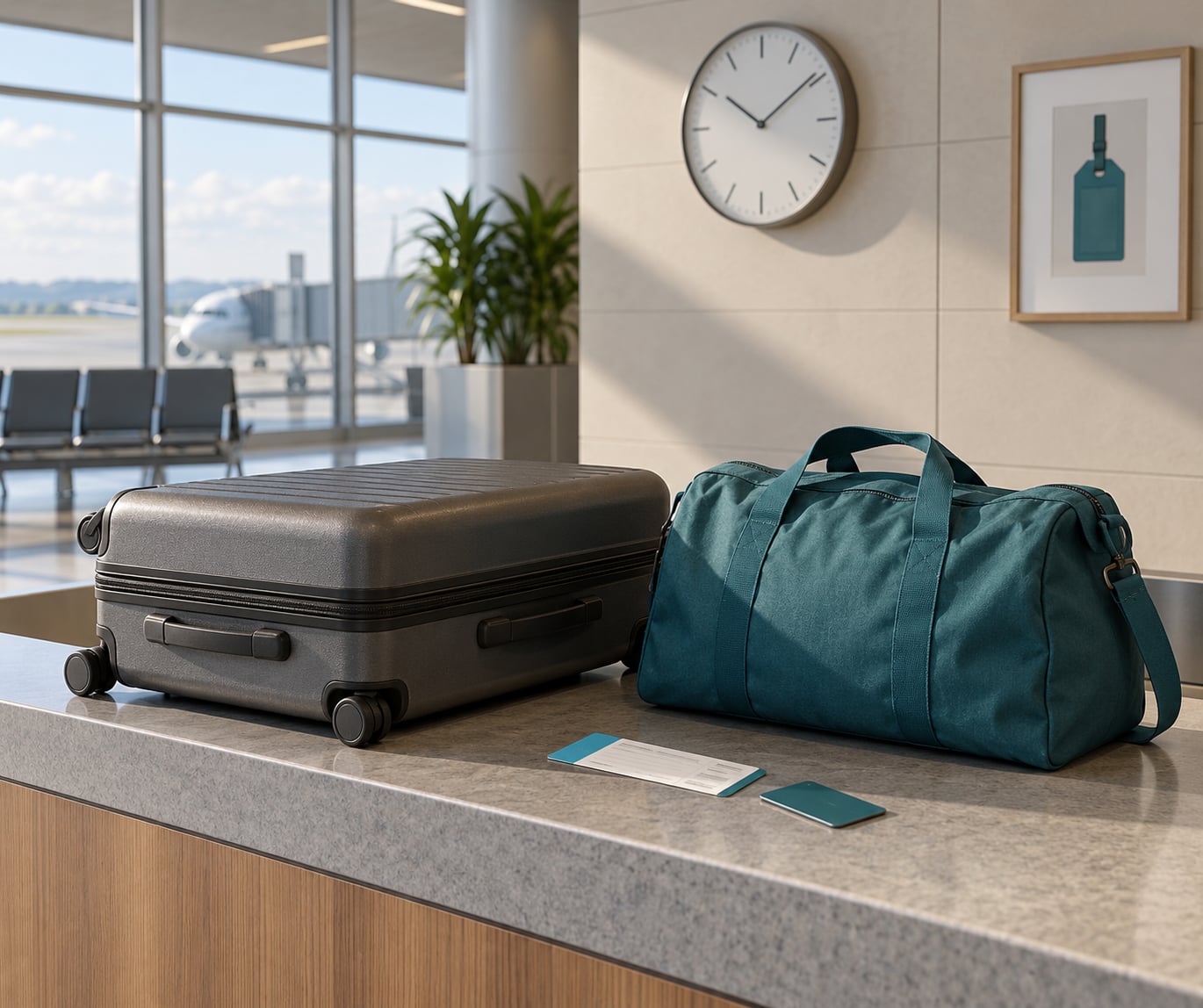
Hand bags to a person at a staffed desk and ask for a claim ticket or a written receipt with the number of bags. Photograph each bag before you let it go, including the tag number and any existing damage, and keep the receipt until you collect the bags.
Label what you can reach with your name, a phone number and the property name where you are staying. Skip the ribbon or colored cord tied to a handle, because it snags on belts and shelves and other travelers assume it is a carry-on marker. Lock hard-shell cases and hard-sided bags if you have the combination, or at least use a cable lock through the zip pulls on a soft case.
Know who is responsible. A staffed counter gives you a ticket and a CCTV camera. A storage app gives you a booking confirmation and a stated insurance limit, plus a named shop or hotel. A hotel bell desk gives you a tag number and a person whose job it is to look after it.
Step 5: Allow Enough Time to Check In
Work backwards from the airline’s bag-drop cutoff, not from departure time. Add the usual buffers in order: travel from storage to the terminal, check-in and bag drop queues, getting through security, and walking to the gate.
For a large international airport, allow roughly 15 to 20 minutes to reach the terminal from a hotel or station area, 30 to 60 minutes for bag drop and security outside peak hours, and another 30 to 45 minutes to walk to the gate and board. At a medium airport you can usually halve those numbers. Add more if it is peak season, if you are at an unfamiliar terminal, or if your storage is at a train station a different side of the city from the airport.
Then set a leaving time for storage, not just an arriving time. A four-hour gap does not mean four free hours; it means three useful ones once you allow for the trip back.
Step 6: Retrieve the Luggage and Continue to Check In
Go back to the desk where you left the bags, not to a different one. Say the number of bags, confirm the tag number matches your claim ticket, and check that nothing is missing before you leave. Inspect locks and zips so a damaged case is obvious now rather than after the flight.
Then head straight to airline check-in or bag drop. If you chose bag drop in the morning, hand over your big case and keep only your valuables pouch, then find a gate-side café, lounge or quiet spot and wait. The gap you were trying to solve has now turned into a few hours you actually get to use.
Why Hotels Say Yes and Vacation Rentals Often Say No
A hotel takes custody of your bag, has staff on the desk all night, and holds a business relationship with you. That makes it easy to say yes, and most front desks will hold bags before check-in at no charge. A minority of budget properties charge roughly a euro or a few pounds per bag, and almost none will refuse a guest with a booking.
A self-employed vacation rental host carries different risk. As hosts explained on the Airbnb Community forum, storing a guest’s luggage is a liability problem, so some write house rules that state no early or late luggage drop-off is allowed. In practice, a host will sometimes accept bags around the time the cleaners arrive, which a traveler reported negotiating successfully about an hour earlier than the official window. Always message before you assume, and be willing to drop at a nearby hotel instead.
If your accommodation cannot help and you are not yet a guest, one tactic that repeats in US city subreddits is to ask any nearby hotel to hold your bags, tell them you are staying there, and tip generously. It usually works, but it only works when you are actually booked nearby, and it fails if you are checked into a different area.
Common Mistakes That Cost Travelers Their Morning
- Deciding at the arrivals door. The fix is a two-line message to your property on the flight. If they can plan housekeeping around you, early check-in becomes likely instead of a maybe.
- Leaving valuables inside the stored bag. Passports, medication, electronics, chargers, keys and food all stay with you. The fix is a pouch that never leaves your body between storage and collection.
- Not checking the storage desk’s hours. A staffed counter that closes at 22:00 in a terminal that stays open until 01:00 solves nothing. The fix is to confirm opening hours before you leave the hotel area.
- Confusing airline bag drop with luggage storage. Bag drop means your bag goes through to the flight, and you need to be there before cutoff. Storage means you get the bag back today. The fix is deciding which one you actually want.
- Trusting a locker to fit a checked bag. Hub lockers are built for cabin bags. The fix is measuring your case against the locker size on the operator’s page before you queue.
- Missing the check-in cutoff. Airlines typically close bag drop 45 to 60 minutes before departure, earlier on busy routes. The fix is to set an alarm when you leave storage.
On safety, the honest summary from traveler reports is that a staffed counter with a claim ticket and CCTV feels safest, hotel bell desks are next, and storage apps that place luggage with small local businesses are the option people worry about most. If you want to reduce the worry, book a partner that is itself a hotel or a staffed shop, check the insurance limit stated in the booking, and use a locker or counter wherever one exists.
Frequently Asked Questions
Will hotels let you leave your luggage before check-in?
Almost always yes, if you are an arriving guest with a booking. Front desks hold bags free of charge from arrival until your room is ready, and a few budget properties charge around a euro or a few pounds per bag. Bring your ID and your booking details, ask about early check-in at the same time, and tip the bell staff if they carry the bags up for you later.
Will a hotel hold my luggage if I am not staying there?
Many will, especially busy city properties near a transport hub, and the tactic of asking a nearby hotel with a tip is well documented by travelers. It is less reliable in resort areas and at small independent properties. If the desk says no, the next options are a staffed left-luggage counter at the airport or station, a self-service locker, or a storage app booking a nearby hotel.
How long can you store luggage at a hotel before check-in?
From the moment you arrive until your room is ready, so anywhere from one hour to a full day. Hotels will also hold bags after check-out on your departure day, sometimes for free and sometimes for a fee. Very few properties will hold a bag for multiple days while you travel onward, so plan on collecting what you need before you leave.
Is left luggage storage safe?
A staffed counter with CCTV, a claim ticket and a named operator is the safest paid option, followed by a hotel bell desk with a tag number. Storage apps that book a nearby shop or hotel give you a confirmation and a stated insurance limit, so read that limit before you hand anything over. Whatever you choose, keep your passport, medication, electronics and valuables with you.
What size bag fits in a train station locker?
Most station and airport lockers are sized for cabin luggage, so a checked suitcase usually will not fit. Large parcel lockers at big stations can take a bigger case, but they cost more per hour. Measure your bag against the size published on the locker operator’s page before you queue, or use a staffed counter that accepts oversized luggage.
How much should I tip a bellhop for holding luggage?
For storage alone most hotels do not expect anything, since the service is free. If a bellhop carries your bags up when the room is ready, two to three US dollars or the local equivalent is generous, and more in expensive cities. A tip is also the reason the drop-a-bag-at-a-nearby-hotel tactic works, so tip when they hand you a claim ticket.
Start with the free option: message your property the night before, land, go straight to the front desk, and ask them to hold your bags and check you in early if the room happens to be ready. If that falls through, you are standing in an airport with a staffed counter and a locker bank in front of you, and your fallback is a short taxi ride to a storage app partner rather than a full day of hauling a suitcase.