If your passport is lost or stolen while you are abroad, you cannot legally board an international flight or cross that country’s border until you hold a valid travel document, and the only route to one is your own embassy or consulate. What to do if your passport is lost abroad comes down to a short chain: get somewhere safe, report the loss, get a police reference, apply for an emergency travel document, then book a single-trip flight home.
Most of the confusion in this situation comes from the waiting. People lose hours searching bags and hotel safes, or assume a lost passport can be worked around with a photocopy. Both cost time you rarely have when a flight is 48 hours away. Here is the sequence that works.
- Get to a safe, staffed place with your phone and charger.
- Tell someone at home, and give them your passport number.
- Report the loss to local police and get a reference number.
- Cancel the passport with your country’s passport authority.
- Contact the embassy or consulate that covers your location.
- Apply in person for an emergency travel document.
- Confirm the airline will accept it, then fly home.
Table of Contents
- What You Need
- Step-by-Step: What To Do If Your Passport Is Lost Abroad
- Step 1: Make sure you are safe
- Step 2: Report the loss and gather evidence
- Step 3: Contact the correct embassy or consulate
- Step 4: Apply for an emergency travel document
- Step 5: Arrange accommodation, transport and onward travel
- Common Mistakes to Avoid After a Lost Passport Abroad
- Frequently Asked Questions
- How soon should I report my passport lost abroad?
- Do I need a police report to replace a lost passport?
- Can I fly home with an emergency travel document?
- What if I have no other identification after losing my passport?
- How long does an emergency replacement passport take?
- Will an emergency travel document let me enter the destination country?
- Conclusion
What You Need
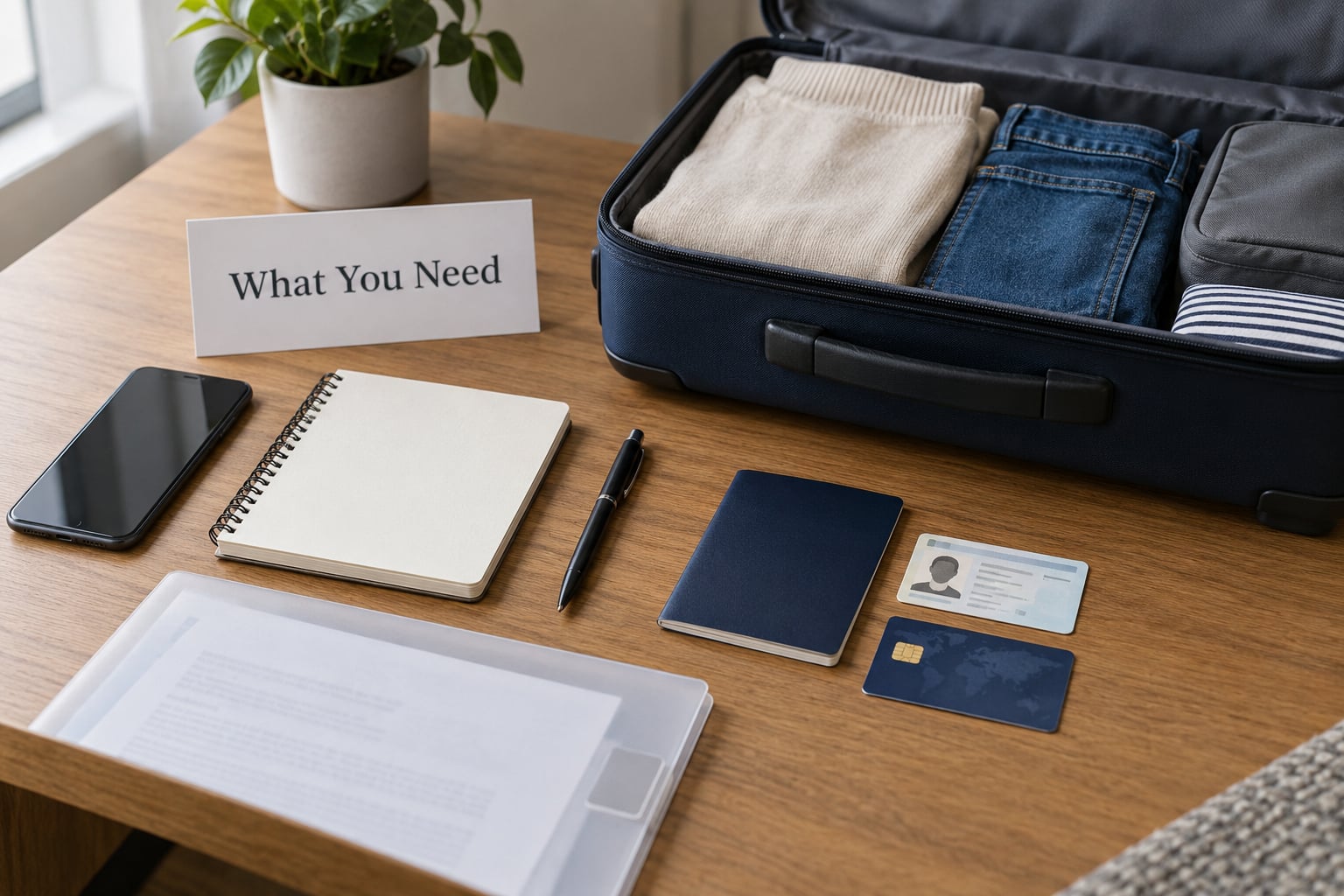
Gather what you can before you walk into a consular office. Staff move faster when the paperwork is already in order, and some documents are impossible to get on a weekend.
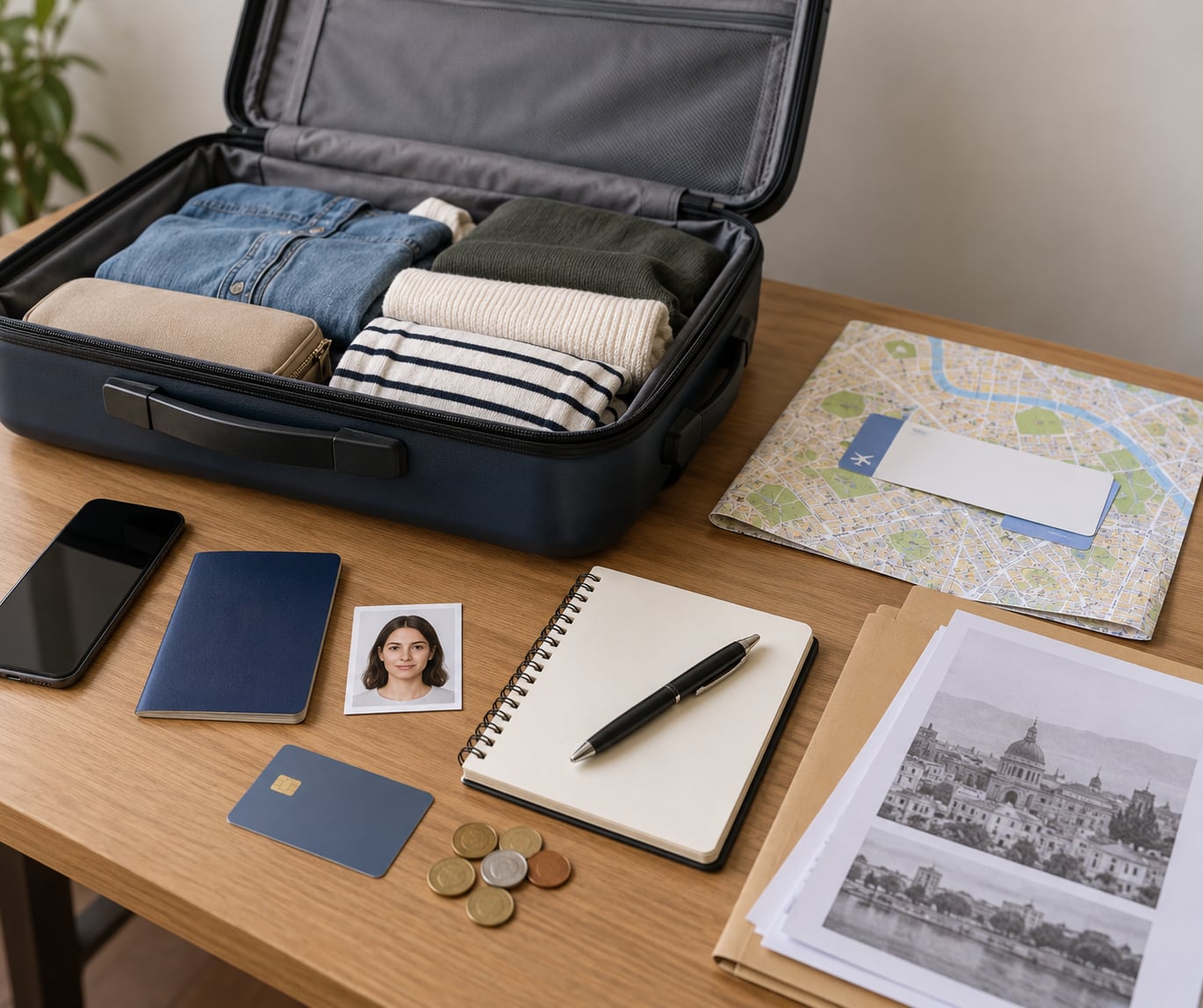
- A photocopy or photo of the identity page of the lost passport, including the passport number, issue date and expiry date.
- Any other photo ID you still hold, such as a national identity card, driving licence, resident permit or student card.
- Proof of citizenship, usually a birth certificate or national identity number. Many embassies can pull this from their own records, but bringing it saves a second trip.
- Two passport photos that meet your country’s specification. The most common requirement for US applications is a 2×2 inch colour photo taken within the last six months.
- Proof of travel, such as a flight booking or itinerary showing that you are trying to return home.
- A working phone, ideally plus a second device, and an email address you can still open.
- A way to pay. Consular fees are charged in the local currency and many offices will not take foreign cards, so a bank transfer or a local cash point often works better than plastic.
Digital copies matter more than people expect. A scan of your passport saved in cloud storage or emailed to yourself speeds up the appointment and lets staff confirm your details before you arrive. It cannot replace the document itself, but it removes an obstacle.
Step-by-Step: What To Do If Your Passport Is Lost Abroad
Step 1: Make sure you are safe
Get off the street first. A cafe, a hotel lobby, a bank foyer or a staffed shop is enough. Once you are somewhere with other people, call or message someone you trust and tell them plainly what happened.
Give that person your passport number, the country you are in, the city, and the name of your hotel or accommodation. Consular staff often call back to confirm an appointment, and they will reach you through the number on the form, not through a friend.
If your wallet went with the passport, freeze your cards from your banking app before anything else. Then place a fraud alert or identity monitor on your records. A lost passport number is enough for someone to attempt a credit application in your name, and reporting the document cancelled is the single biggest protection you can give yourself.
Last, do not make big decisions while you are still walking. Booking a new flight, transferring money to a stranger who claims they can help, or handing over your details to anyone who approaches you in the street are all common responses to panic and all of them cost you.
Step 2: Report the loss and gather evidence
Report the loss to local police if the passport was stolen, or if the last place you had it was somewhere you would feel unsafe returning to. For a plainly lost document, many passport authorities do not require a police report, and consular staff will tell you either way.
The disagreement you will read online is real. Some travel publishers treat the police report as step one for every loss; others say it is optional unless the passport was stolen. Both are describing their own country’s rules, which differ. The safe move is to ask your embassy directly and, if you are not near one, file a short police report anyway. It costs an afternoon and it strengthens both an insurance claim and a stolen-document case.
Keep the reference number, the station name, the officer’s name if offered, and the date. Write down where and when you last had the passport, what you were carrying it in, and whether the bag was locked. Those few sentences are what an officer will ask for, and having them ready shortens the visit.
If the passport later turns up after you reported it, keep it and hand it in at the embassy or to your passport authority. Once a document is reported it is cancelled and cannot be used again, even if it is intact and in your hands. People who find the original the next day still have to treat it as dead.
Step 3: Contact the correct embassy or consulate
Search for the official website of your own country’s foreign ministry, then navigate to its embassy or consulate directory. Never use a third-party agency that offers to handle your emergency for a fee. Those sites resell advice, not documents.
Understanding the difference helps. An embassy usually covers a whole country, sometimes several smaller countries, and a consulate covers a specific city or region. The embassy page will say which areas it serves. If you are in a country with no diplomatic presence of your own, the nearest embassy is often in a neighbouring country that also handles your nationality, which means a real trip rather than a phone call.
Check the hours before you travel. Most consular sections close at weekends and on their country’s national holidays, and some only take appointments. If you lost the passport on a Friday evening, you may be waiting until Monday, so ask about out-of-hours emergency contact details and about whether a mobile or consular team covers your area.
Set expectations honestly. An embassy can issue a travel document, verify your identity and sometimes arrange a fare home. It cannot recover your money, cancel your cards, talk to your employer, or move your travel date. Travellers who were helped abroad often say the same thing: the staff did their job well, but the job is smaller than people imagine.
You do not need a passport to reach the embassy. Travel to it by bus, train or taxi, carry every document you have, and go in person. Some consular services also take first enquiries by phone or email to confirm eligibility before you travel in.
Step 4: Apply for an emergency travel document
There are two documents worth knowing apart. An emergency travel document, often shortened to ETD, is a short-validity passport issued abroad, usually good for one trip home. A limited-validity passport looks more like a normal passport but expires quickly, sometimes within a few months, and is designed for the same situation. Some countries offer both, and some only one.
The rule that catches most people: an emergency travel document usually authorises a single direct return to your home country. It is not a general travel pass. If you planned to fly home and then continue to a third country, you may find that you need a visa you cannot get without a full passport. Check your onward itinerary before you leave the embassy.
The application itself is usually straightforward. You complete the emergency passport form for your nationality, present photo identification and proof of citizenship, hand over the police report reference if you have one, submit two photos, explain your travel plans and pay the consular fee. US citizens file Form DS-11 in person with a DS-64 lost passport report, and the Department of State cancels a passport reported online within one business day.
Online applications exist in some places. British nationals in many countries can apply for an emergency travel document through GOV.UK rather than at the counter, though availability depends on the country. Ask your embassy before travelling across a city to queue.
On timing, the official best case quoted widely is 24 to 72 hours for an emergency document. In real life people report everything from two days in a large embassy to a week or more at a small consulate, and public holidays stretch that further. Treat any same-day promise as unlikely unless the embassy has told you otherwise in writing.
Step 5: Arrange accommodation, transport and onward travel
Airlines check documents at check-in, and the agent there is not the person who issued your emergency document. Once you have the document, contact the airline or check its published policy for the exact wording, and ask for written confirmation that your specific document and route are accepted. Written confirmation costs nothing and settles the argument at the desk.
Keep enough money for accommodation, food, transport to the airport and the fee. If your cards were taken with the passport, tell the airline early, since rebooking fees often exceed the ticket price.
If the loss creates a separate disruption, such as a cancelled onward trip, check whether your travel insurance covers replacement documents, accommodation and curtailment. Notify the insurer within the deadline in your policy, usually within 24 to 48 hours, because late notification is the most common reason claims are declined. If you are flying inside the European Union and a long delay strands you, passenger rights rules may offer compensation on top of the insurance.
Once you are home, hand the temporary document to your passport authority and apply for a full-validity passport. Most countries will waive or reduce the fee if you can show the limited-validity document you already hold, and the emergency document usually cannot be used for travel while the full application is processed.
Common Mistakes to Avoid After a Lost Passport Abroad
Waiting before reporting. Every hour spent hoping it turns up is an hour the old document stays live in the system. Report it, then deal with the paperwork.
Paying an unofficial agent. No private company can issue a travel document or speed up a consulate. Anyone charging you for that is taking your money.
Leaving your finances open. Freeze cards, change banking passwords from a device you trust, and watch for charges after you get home. The theft of a passport is very often the theft of a wallet too.
Booking nonrefundable travel. Until you hold the document and have airline confirmation, every extra ticket is a gamble. Changeable fares cost more up front and less in tears.
Assuming an emergency document equals entry rights. It proves who you are and that you are going home. It does not replace a visa, and it usually covers one trip.
Treating digital copies as a substitute. A phone photo of your passport cannot get you on a plane. It does speed up the embassy appointment and helps prove your identity when other documents are missing.
Overestimating what the embassy will do. Consular staff issue documents and verify identity. They do not replace your wallet, negotiate with your airline or fly you out of a country that will not let you in.
Frequently Asked Questions
How soon should I report my passport lost abroad?
Report it the same day, or at the earliest the next morning. Reporting cancels the passport in the issuing country’s system, which stops anyone else using your number and starts the replacement clock. You can still search for a day or two if you are certain it is misplaced, but do not delay once you suspect theft, because a stolen passport needs a police report and a fraud alert.
Do I need a police report to replace a lost passport?
It depends on your country and on whether the passport was stolen. Many authorities ask for a report only when theft is involved or when the last known location makes it sensible; others want a reference number for every case. The practical advice is to file a short report anyway. It takes an afternoon, it costs little, and it speeds up insurance claims and stolen-document cases.
Can I fly home with an emergency travel document?
Yes, that is exactly what it is for. An emergency travel document or limited-validity passport is issued by your embassy so you can return home legally. It is usually valid for a single trip, often only a direct route home. Confirm with the airline in writing before you travel to the airport, because the boarding agent decides what documents they accept on the day.
What if I have no other identification after losing my passport?
Say so at the embassy rather than trying to appear as someone else. Consular staff can often verify your identity from their own nationality records once you give a date of birth, a national identity number and details a stranger would not know. Bring any secondary ID you have, a photo of yourself, and a copy of your passport bio page. Expect an extra identity check and more questions, but this is a routine situation for them.
How long does an emergency replacement passport take?
Official guidance quotes 24 to 72 hours for an emergency document at a large embassy. In practice travellers report two days at a busy mission and a week or more at a small consulate, and weekends and public holidays add days. If you fly the next morning, assume the flight is gone and plan travel a few days later, or contact the airline about moving the booking.
Will an emergency travel document let me enter the destination country?
Not necessarily. An emergency travel document normally authorises a direct return to your home country. It does not replace a visa, and many countries will not admit you without one. If your plan was to fly home and continue to a third country, check with that country’s embassy before you commit, or your onward leg may be refused at check-in.
Last reviewed in 2026. Consular procedures change, so confirm the current requirements and opening hours on your foreign ministry’s official site before travelling to an embassy.
Conclusion
The order matters more than the speed. Get somewhere safe with people around you, tell someone at home your passport number, freeze your cards, report the loss and get a police reference number, then contact the embassy or consulate that covers your location using contact details from your own foreign ministry’s site.
Once you are there, bring proof of citizenship, any secondary ID, two photos and your itinerary, and be honest about having no other documents. Ask what the document you are receiving covers, because it is usually one trip home. Confirm with the airline in writing, tell your insurer the same day, and when you get home, exchange the temporary document for a full passport.