Renting an RV for the first time comes down to three things: choosing a vehicle class that matches your trip, comparing the all-in cost instead of the advertised nightly rate, and spending unhurried time on the walkthrough before you drive away. No special license is needed at any size, and most companies rent to drivers aged 25 and over with a valid license and a major credit card. Budget a couple of hours for booking and another hour at pickup, and the whole thing feels far less intimidating than the sales pitch suggests.
I have watched first-timers plan for a week and then get caught out by a damage deposit, a mileage cap or a campsite with nowhere to hook up. None of those are traps, they are just terms most people never read. This guide walks the whole process in order, updated for 2026.
Table of Contents
- What You Need
- Step-by-Step
- Step 1: Choose the Right Type of RV
- Step 2: Compare Rental Companies and Locations
- Step 3: Check the Total Price Before Booking
- Step 4: Read the Rental Agreement
- Step 5: Make and Confirm the Reservation
- Step 6: Inspect the RV at Pickup
- Step 7: Return the RV Without Extra Charges
- Common Mistakes
- Frequently Asked Questions
- Do I need a special license to rent an RV?
- How much does it usually cost to rent an RV?
- Can I rent an RV for a one-way road trip?
- What should I check before driving away from the rental location?
- Can children or pets stay in an RV rental?
What You Need
You need a valid driver’s license, a major credit card in the primary renter’s name, and proof of age. Twenty-five is the standard minimum. Drivers between 21 and 24 are usually allowed, with a daily surcharge and limits on vehicle class. A commercial driver’s license is not required for any RV size, from a camper van to a 45-foot Class A motorhome.
Before you search, settle the trip details that determine everything else: your dates, how many nights, how many people are sleeping aboard, the shortest and longest drives you are comfortable with, and where the vehicle has to be returned. Add your accommodation preferences. Some travelers want full hookups with water and electric every night, others would rather boondock near a trailhead for free and shop at a supermarket on the way. That single choice changes your budget more than the vehicle class does.
Think about safety and comfort needs too, especially if children or pets are coming. Confirm whether pets are allowed and whether there is a pet fee, how many people the vehicle legally sleeps, and whether the site you have in mind can take the length and weight of what you book.
| Requirement | What to expect |
|---|---|
| Driver’s license | Valid and held for at least one year; a photocopy or digital photo is not always accepted |
| Minimum age | 25 for most companies; 21 to 24 often allowed with a daily surcharge and smaller vehicles |
| Credit card | Major card in the primary renter’s name, with available credit for the damage deposit |
| Commercial license | Not required at any RV size |
| Damage deposit | Typically 500 to 1,500 dollars, held on the card and released after return |
| Mileage | Some plans include unlimited miles, others allow 100 to 250 miles per day plus a per-mile fee |
| Roadside assistance | Usually included; confirm coverage for towing and for tires and glass |
Step-by-Step
Step 1: Choose the Right Type of RV
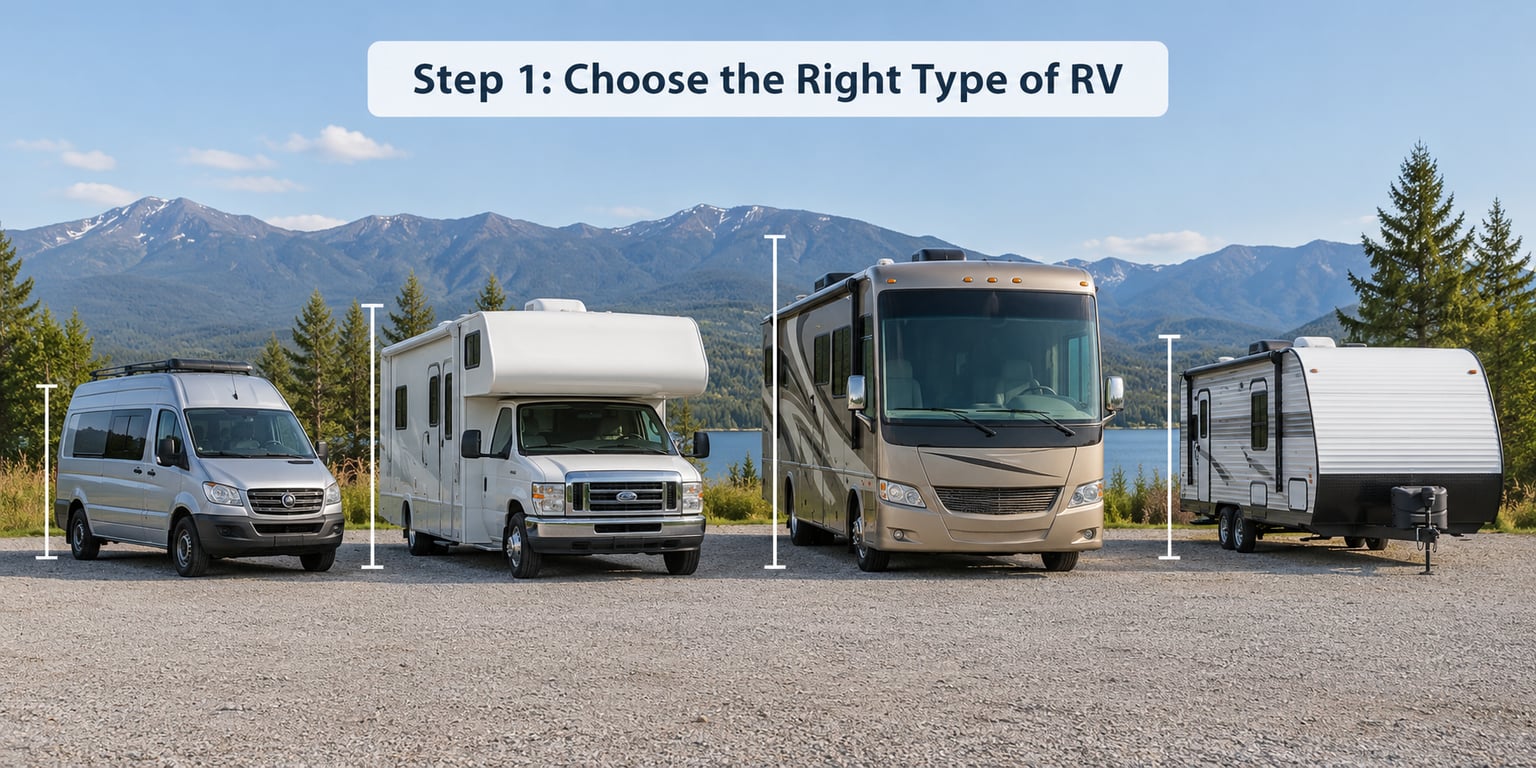
A Class B camper van, Class C motorhome or Class A motorhome covers most first rentals. Anything bigger than a large SUV demands planning, and a travel trailer or fifth wheel means towing a truck you may not own.
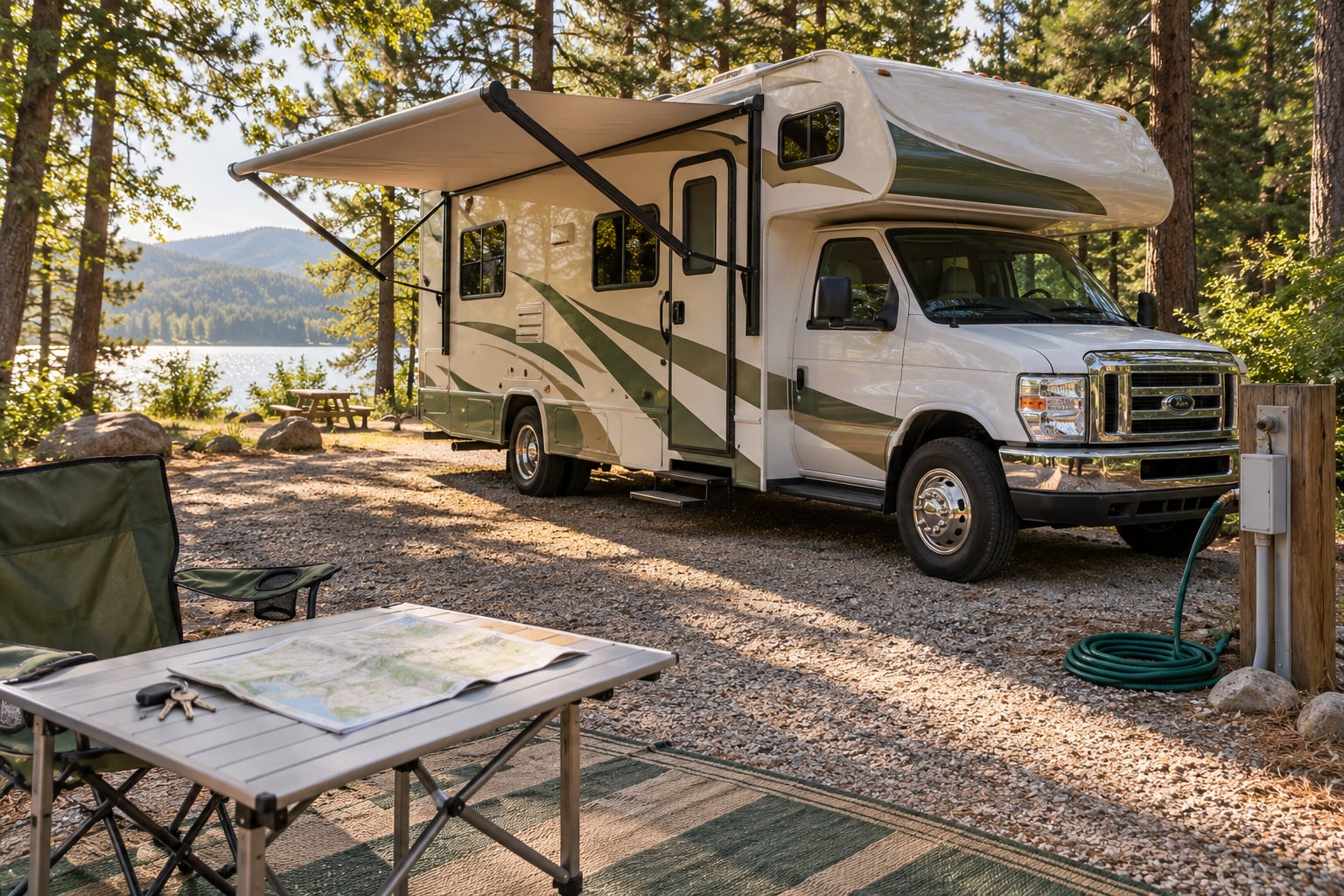
A camper van is the easiest to park and the cheapest to run, usually sleeping two to four. A Class C motorhome is the most common rental shape: a van or pickup cab with an over-cab bed, sleeping four to six, and a kitchenette and bathroom over a drivable base. A Class A motorhome is a bus built on a truck chassis, the most comfortable and the least forgiving to drive, and it normally sleeps six to eight. Camper vans and Class C rigs suit couples and families on trips of a week or two where no single drive exceeds four or five hours. A Class A suits a longer, slower loop with frequent stops.
Travel trailers and fifth wheels are towables, not motorhomes. A travel trailer hitches behind a vehicle with a rated towing capacity; a fifth wheel needs a pickup with a bed-mounted hitch and gooseneck. They offer the most living space for the least money, but they are the hardest option for a genuine beginner to rent and tow at the same time. Rent a motorhome for your first trip unless you already own and tow a capable truck.
To rent an RV for the first time without regret, size the vehicle to your shortest trip leg, not your sleeping list. A class that sleeps eight but needs a parking garage you cannot enter helps nobody.
Step 2: Compare Rental Companies and Locations
There are three places to book. Nationwide rental chains run offices at the airport and in most tourist regions, with a predictable fleet, known office hours and a standard walkthrough process. Peer-to-peer marketplaces such as RVshare and Outdoorsy list RVs owned by private individuals, which usually means more variety, lower daily rates and delivery to your campsite or hotel. Local dealerships rent a handful of units, sometimes cheaply, sometimes only as a companion to a service appointment.
Compare more than price. Check the model year of the vehicle, because rental companies tend to run newer units on chains and older units on peer-to-peer listings. Read reviews with volume behind them rather than a single glowing comment, and confirm what the office hours actually are at the pickup location, since many close early on Sundays. Ask whether one-way drop-off is permitted and what it costs, whether delivery is available and how it is priced, and whether the owner or agent will meet you for a full walkthrough rather than handing over keys at a counter.
Two options are worth knowing about if you would rather not drive at all. A stationary rental leaves the RV parked at a campsite or private lot, and you arrive by car. A delivered rental has the owner or company tow the vehicle to you and set it up on site. Both cost more than a standard rental but remove the entire question of how to get a large vehicle back.
Step 3: Check the Total Price Before Booking
The nightly rate is the least informative number on the page. Base rates for Class B and Class C rigs typically run 100 to 300 dollars a night, with Class A motorhomes often 150 to 450 dollars a night, and most of what you actually pay sits outside that figure.
| Cost line | Typical US range |
|---|---|
| Nightly rate | 100 to 300 dollars for a camper van or Class C, 150 to 450 dollars for a Class A |
| Facility, service and preparation fees | Often 50 to 90 dollars per day added on top of the rate |
| Mileage overage | Roughly 0.35 to 0.75 dollars per mile beyond any included allowance |
| Fuel | 8 to 12 miles per gallon in a large Class A, 14 to 20 in a Class C |
| Campground | 20 to 60 dollars a night for a basic site, 70 to 120 dollars for full hookups at a resort |
| Protection or insurance | 20 to 70 dollars per day depending on the deductible you choose |
| Generator, pet and awning fees | Charged hourly or per night, sometimes optional, sometimes included |
| Cleaning fee | 150 to 400 dollars, often charged even when you return it tidy |
| Realistic all-in daily total | 150 to 400 dollars for a small RV, 300 to 600 and up for a Class A |
Worked example for a family of four over seven nights in a Class C in a busy summer month. The rental comes to roughly 1,900 dollars, and fees add about 500 dollars. Fuel at 15 miles per gallon over 900 total miles costs around 400 dollars, campgrounds at 45 dollars a night come to 315 dollars, the protection plan is 350 dollars, and the cleaning fee is 250 dollars. That lands near 3,700 dollars, or roughly 530 dollars a day for the whole family. The same seven nights in a mid-range hotel chain with two cars and fuel would come close to the same total, which is the honest comparison: renting wins when you are staying put for several nights, when more than four people travel together, or when a kitchenette replaces restaurant meals every day.
Rates are typical US ranges and vary widely by region, season and how far ahead you book. Peak weekends at popular parks are the expensive case, and booking early is the single biggest saving available.
You can rent an RV for the first time on a budget by avoiding a one-way fee, picking dates outside holiday weeks, booking a campground with electric only instead of full hookups, and declining the generator if your sites have power. Read the fee list line by line before paying, and ask for the final total in writing.
Step 4: Read the Rental Agreement
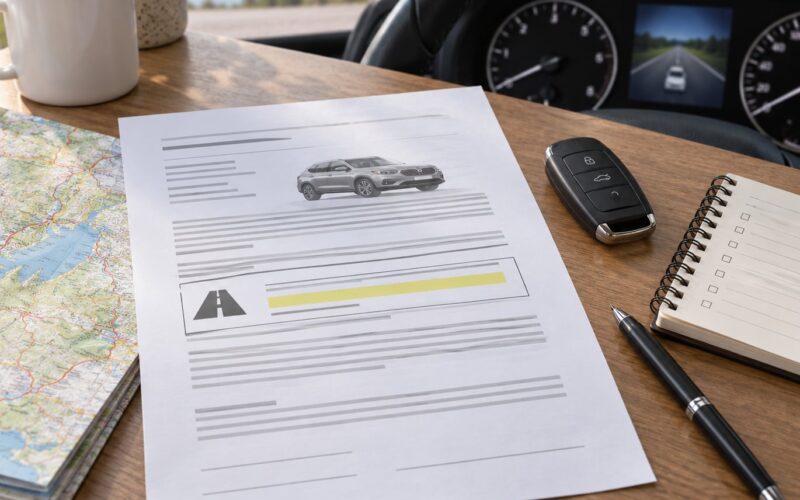
The rental agreement is where the real terms live. Check the pickup and return date and time first, because late returns are billed by the hour at a steep rate and often trigger an extra night’s charge. Then find the mileage allowance and the per-mile rate above it. Note who counts as an authorized driver, because an unlisted driver can void coverage entirely. Read the prohibited-use list, which normally rules off-road driving, towing anything, and running the generator indoors.
Look at damage responsibility, the deductible on any protection plan, roadside assistance terms including towing distance, and the cleaning standard. Finally, read the cancellation and modification deadlines, and note the deposit amount and how long the refund takes. This is the document that decides whether a dispute is fair, so give it twenty minutes even if you are in a hurry.
Step 5: Make and Confirm the Reservation
Some listings offer instant booking, and a request-to-book listing gives you a chance to ask questions and negotiate dates first. Either way, provide complete details for the primary renter, accurate dates and the number of drivers, because correcting a name or a date after confirmation is slow and sometimes costly. Ask about availability directly if you are flexible, and take a moment to confirm the deposit, the mileage terms and the cancellation window.
Keep the confirmation email, including the exact pickup address, the contact number for the owner or agent, the after-hours number and the roadside number. Read the cancellation and modification deadline twice and set a reminder for it.
Step 6: Inspect the RV at Pickup
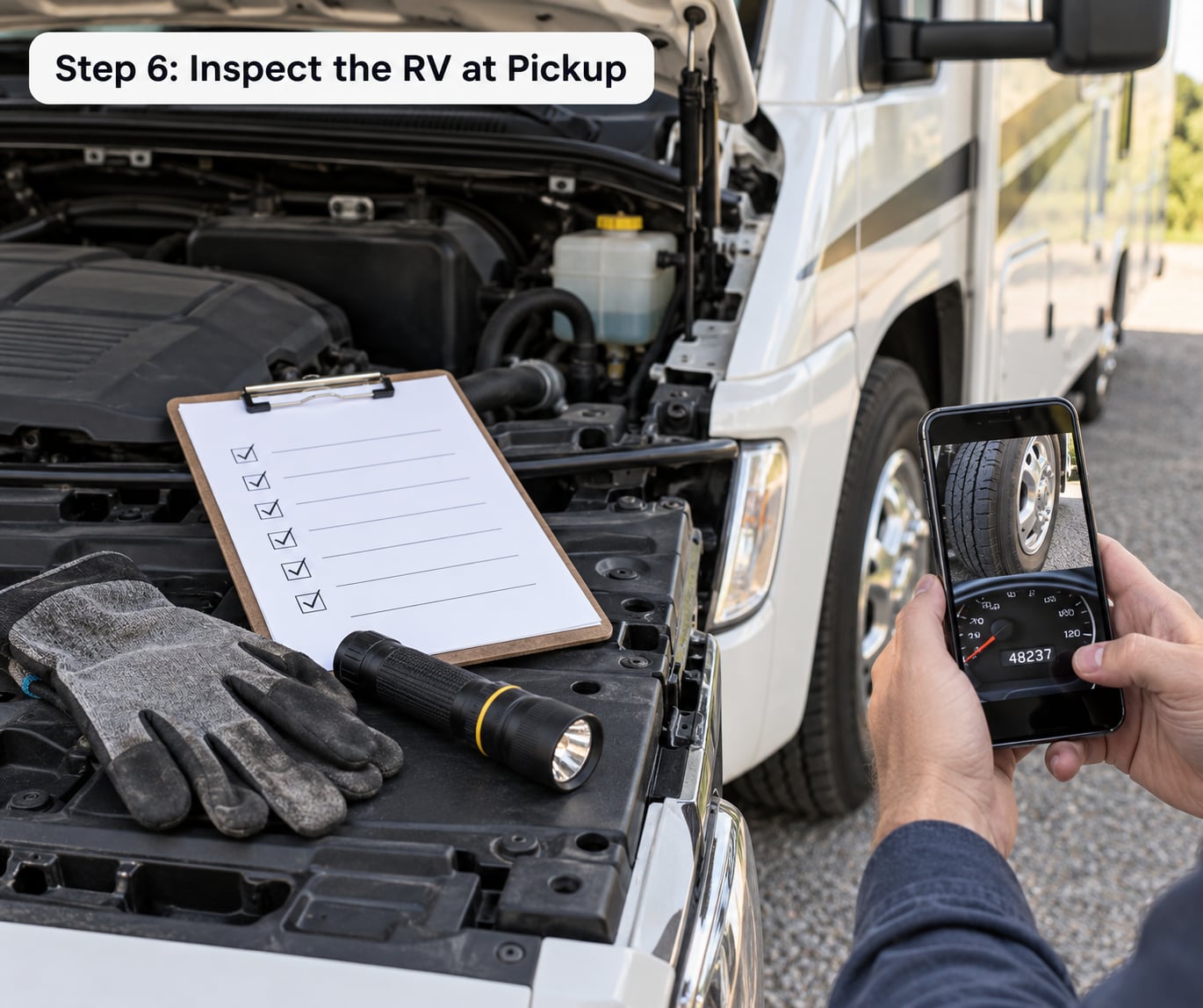
Give yourself an hour at pickup and walk the vehicle in a fixed order, every time, so you never skip a section.
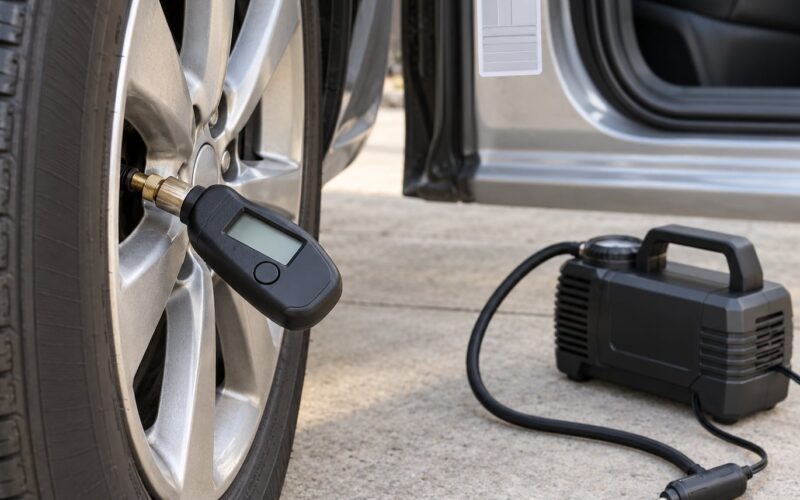
Start outside. Walk the full perimeter at eye level and note every dent, scratch, chip and stain, including the roof if it is reachable. Check the tires for tread, sidewall damage and correct inflation. Test every light and indicator, then the windshield, windows and seals. Confirm the doors and screens latch properly.
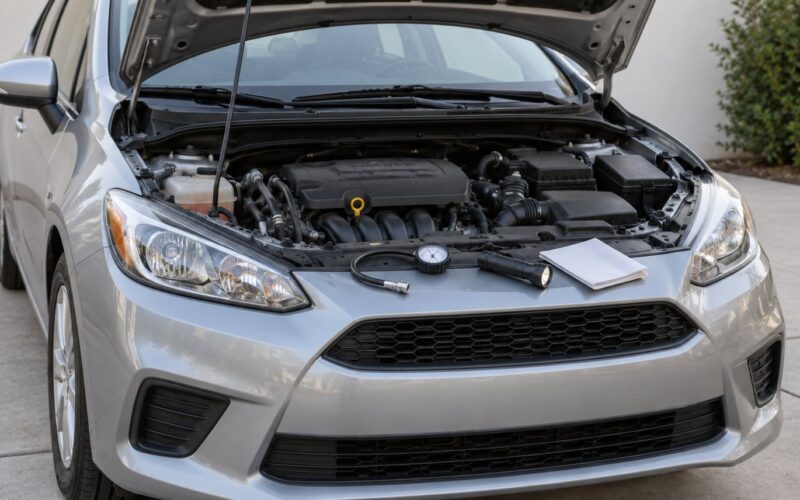
Run the plumbing. Turn on the fresh water, the hot water heater and the pump, and flush a toilet and a sink. Check the black tank and gray tank levels. Turn on the refrigerator and the stove, run the air conditioning and the furnace, and test the generator and the slideouts and awning. Confirm the shore power hookup works and that the outlets and the 30-amp connection hold. Locate the fire extinguisher, the smoke and carbon monoxide detectors, the first aid kit, the wheel chocks and the spare or tire repair kit.
Note the fuel level and the odometer reading, and photograph both. Photograph every accessory that came with the vehicle, including the sewer hose, leveling blocks, hoses, the kitchen kit and the owner’s manual. Ask what is provided and what you must return. Finally, photograph all existing damage from several angles and send the images to the owner and the company the same day, so there is a dated record.
Renting an RV for the first time is far less stressful once you insist on this inspection. Renters on RV owner forums such as iRV2 describe damage disputes as the thing they most want to avoid, and a dated photo set ends most of them before they start.
Step 7: Return the RV Without Extra Charges
Run the return backwards through your pickup list, starting a day before. Refuel to the level written on the agreement and keep the last receipt. Dump the black tank and the gray tank at a designated site or a fuel station with a sewer hose, and rinse. Remove your trash entirely, including the fridge and the cupboards. Wipe down the counters and sweep or vacuum the floor, since cleaning fees are charged whether or not you were tidy.
Return every accessory listed on the inventory, clean the grill, coil the cables and stow the awning. Photograph the interior and the exterior again, and photograph the fuel gauge and the odometer at handover. Get a written return receipt showing the date, time, fuel level and condition, and ask how long the damage deposit takes to release, usually several business days after inspection.
If a charge you did not expect appears on your statement, ask for an itemized explanation, send your pickup and return photographs, and escalate through the platform if the owner does not resolve it.
Common Mistakes
Renting more vehicle than you need is the first and most expensive error. A Class A on a route full of narrow roads and low bridges costs you in fuel, stress and parking. Match the vehicle to your longest driving day and to the campsites you have booked.
Assuming mileage is unlimited is the second. Read the allowance, then map your route and count the miles before you commit. A peer-to-peer listing with 150 free miles a day and a per-mile charge above that can cost several hundred dollars across a two-week trip.
Booking without checking pickup logistics catches people out. Confirm the office hours, the shuttle to the lot, whether the counter closes for lunch, and how late you can arrive, especially at an airport location on a Sunday.
Failing to document existing damage leaves you exposed when a scratch is reported at return. Photograph everything at pickup, send it to the owner and the company that day, and describe each mark in the condition report.
Adding drivers later is expensive. Unauthorized drivers can void damage coverage, so list everyone who will turn the wheel, including a teenager, and check the fee.
Skipping the walkthrough saves twenty minutes and creates every problem later. On forums like r/GoRVing, first-day advice repeats one theme: slow down, assume something will go wrong, and learn how the water, waste and power systems work before you leave the lot.
Frequently Asked Questions
Do I need a special license to rent an RV?
No. A standard, valid driver’s license is all most companies ask for, whatever size of RV you book. A commercial driver’s license is never required for a recreational vehicle, including a 45-foot Class A motorhome. What you do need is a license held for at least a year, a major credit card in the primary renter’s name, and proof that you meet the minimum age. Individual owners and some local dealers set their own rules, so check the listing before you pay.
How much does it usually cost to rent an RV?
Expect 100 to 300 dollars a night for a camper van or Class C motorhome and 150 to 450 dollars for a Class A, before fees. Add facility and service fees of roughly 50 to 90 dollars a day, fuel, campgrounds, protection cover and a cleaning charge, and a realistic all-in figure lands around 150 to 400 dollars a day for a small RV and 300 to 600 dollars or more for a Class A. Ranges vary by region, season and booking lead time.
Can I rent an RV for a one-way road trip?
Yes, most rental companies and many peer-to-peer owners offer one-way rentals, which lets you finish the trip in a different city. The catch is a drop fee that can run from several hundred dollars to more than a thousand, and it depends on where you start and finish. One-way bookings also limit which vehicles are available, so plan the route first, check the fee before reserving, and confirm the return office hours at the drop location.
What should I check before driving away from the rental location?
Walk the outside for damage, tires and lights, then test the plumbing, appliances, generator, slideouts, awning and shore power. Confirm the fuel level and odometer reading, locate the fire extinguisher, detectors and tire kit, and photograph every mark and every accessory from several angles. Send those photos to the owner and the company the same day, and confirm that the walkthrough covered the levelers, sewer hose and kitchen kit.
Can children or pets stay in an RV rental?
Children are usually fine, with the important limit being the number of legal sleeping spaces, which includes the cab over-cab bed. Bring your own travel-approved child seat and know where it will sit. Pets are allowed by many owners but often carry a daily fee, a cleaning charge and a limit on weight or number. Check the listing or the company policy before booking, and never leave a pet unattended in a parked RV in warm weather.
Confirm four things before you send any money: the vehicle class fits your route and your sleeping plan, the all-in total including fees, the pickup date and office hours, and what you must show at the counter. Get those right and the rest is a normal road trip with walls.